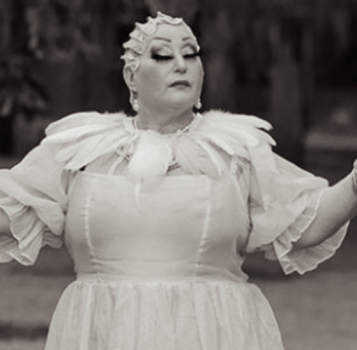
Howdy, Y’all! Lou here—manager and longtime friend of Yeye, The Mystic Diva. As I continue walking this incredible journey with Yeye, I’ve developed a deep curiosity for the mystical traditions and practices that have shaped cultures across the globe. Mysticism is the thread that connects human beings to the mysteries of the universe, bridging the physical and spiritual worlds in countless ways.
Today, I’m excited to share with you some of mysticism’s history as it has evolved across various cultures. From ancient civilizations to modern times, mysticism has played a vital role in humanity’s quest to understand the divine, the unseen, and the unknown.
If you are in Kansas City Missouri, and are interested in checking out some of Yeye’s workshops offering insights into current mystical practices, please watch our workshop offerings here:
Yeye’s Current Metaphysical In Person Kansas City Workshops
1. Ancient Egypt: The Roots of Mysticism
One of the oldest and most profound mystical traditions comes from ancient Egypt. Egyptian mysticism revolved around a deep connection to the gods, the afterlife, and the universe. The mysteries of the pyramids, the hieroglyphs, and the Book of the Dead all point to a culture deeply involved in spiritual practices designed to prepare the soul for its journey beyond death. Egyptian priests, who served as mystics and magicians, conducted rituals to honor gods like Isis, Osiris, and Ra, using their knowledge to bridge the material and divine worlds.
2. The Mysticism of Ancient Greece: Oracles, Gods, and Philosophy
In ancient Greece, mysticism was closely tied to philosophy and religion. The Greeks believed that the gods communicated directly with humans, often through oracles and seers. The Oracle of Delphi, where priestesses channeled messages from the god Apollo, is one of the most famous mystical sites in history. Greek philosophers like Pythagoras and Plato also explored mysticism through their study of metaphysics, the soul, and the nature of reality. Their work has influenced mystical thinking for centuries.
3. Jewish Mysticism: Kabbalah
Jewish mysticism, known as Kabbalah, began to develop around the 12th century in Southern Europe and the Middle East. Kabbalists believed that hidden knowledge about God and the universe could be accessed through deep meditation and study of sacred texts. The Zohar, the foundational text of Kabbalah, offers a mystical interpretation of the Torah, exploring the nature of the divine and the creation of the universe. The Tree of Life, a key symbol in Kabbalah, represents the ten aspects of God’s essence and is still a central figure in Jewish mysticism today.
4. Sufism: The Mystical Path of Islam
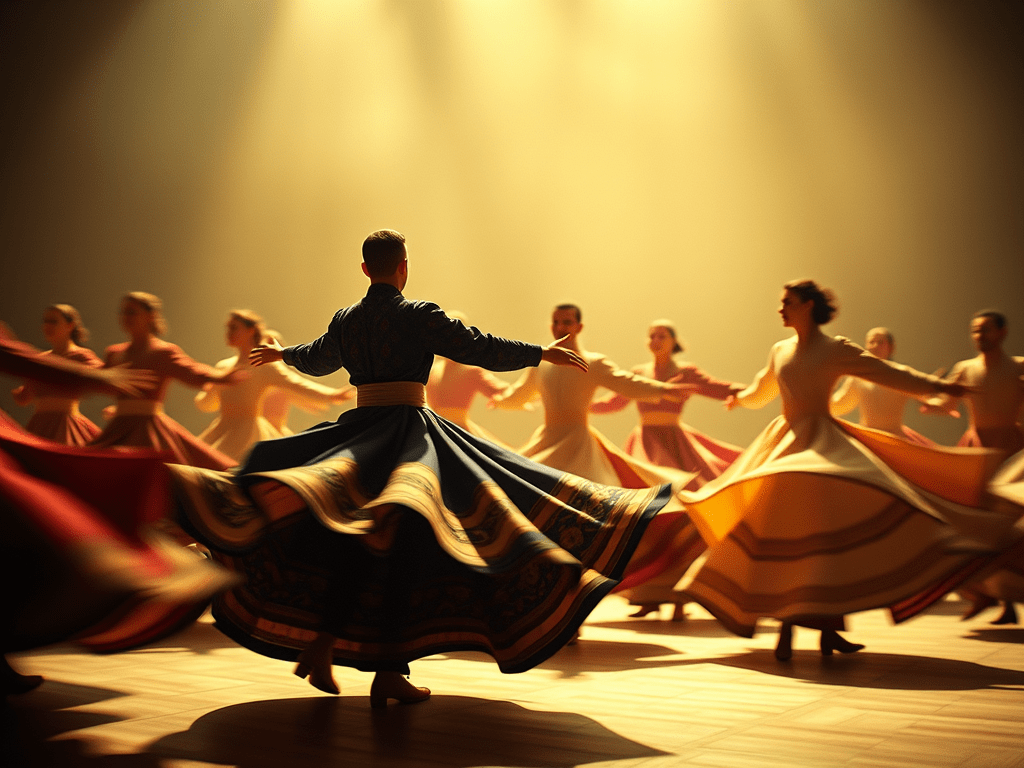
Sufism, the mystical branch of Islam, emerged around the 8th century and has been a powerful force in Islamic spirituality ever since. Sufi mystics seek direct, personal experiences with God through practices like dhikr (remembrance of God), meditation, and poetry. The famous whirling Dervishes of the Mevlevi Order use dance as a form of ecstatic meditation, aiming to unite with the divine. One of the most beloved figures in Sufism is the Persian poet Rumi, whose mystical verses on love and the divine have inspired people for centuries.
5. Hindu Mysticism: The Yoga of Enlightenment
Hinduism is a rich spiritual tradition with a long history of mystical practices, particularly through the practice of yoga and meditation. The Upanishads, ancient texts from India, delve into the mystical nature of reality, the self (Atman), and the ultimate reality (Brahman). Hindu mystics, or yogis, engage in deep spiritual practices to achieve moksha, or liberation from the cycle of birth and death. The mystical traditions of Tantra and Kundalini yoga also explore how individuals can awaken spiritual energy within themselves to achieve higher states of consciousness.
6. Indigenous Mysticism: Shamanism Across Cultures
Shamanism, one of the oldest forms of mysticism, is found in indigenous cultures around the world. From the Arctic Circle to the Americas, Africa, and Siberia, shamans serve as intermediaries between the human and spirit worlds. Through rituals involving drumming, chanting, and altered states of consciousness, shamans communicate with spirits, ancestors, and nature to heal, guide, and protect their communities. Shamanic traditions continue to influence modern mysticism, particularly in the areas of energy healing and spiritual journeying.
7. Christian Mysticism: The Path of Union with God
Christian mysticism has a rich history, particularly in the writings of saints and mystics who sought personal union with God. Figures like St. John of the Cross, St. Teresa of Avila, and Meister Eckhart explored deep mystical experiences, often through prayer, meditation, and visions. Christian mystics believed that through spiritual discipline, one could transcend the material world and enter into a direct relationship with the divine. Their works have greatly influenced Christian contemplative practices that continue to this day.
8. Tibetan Buddhism: Mysticism in the Mountains
Tibetan Buddhism is deeply steeped in mystical practices, particularly through the use of mantras, meditation, and visualization. The Tibetan tradition of Dzogchen is one of the most profound mystical teachings, aiming to reveal the true nature of the mind. Tibetan monks and practitioners use complex rituals and symbols, like mandalas, to connect with higher spiritual realms and accelerate their path to enlightenment. The Dalai Lama, as both a political and spiritual leader, embodies the mystical heart of Tibetan Buddhism.
9. The Mysticism of the Celts: Nature and the Otherworld
The ancient Celts, who lived in parts of Europe before the Roman conquest, practiced a form of mysticism deeply connected to nature and the spirit world. The Druids, their priestly class, were revered for their knowledge of the mystical powers of nature, the stars, and the seasons. Celtic mysticism involved the veneration of sacred groves, rivers, and other natural features, as well as an understanding of the Otherworld, a parallel spiritual realm where gods, ancestors, and spirits reside. Today, neo-pagan and Druidic movements continue to draw on this rich tradition.
10. The Mysticism of the African Diaspora: Vodou, Santería, and HooDoo
The African diaspora gave rise to unique forms of mysticism that blend African spiritual traditions with Catholicism and other influences. Practices like Vodou (Haiti), Santería (Cuba), and HooDoo (in the U.S.) center around honoring ancestors, communicating with spirits, and harnessing spiritual power to affect change in the physical world. These mystical practices were often a means of survival and empowerment for enslaved Africans and their descendants, offering them a way to maintain their spiritual identities in the face of oppression. Today, these traditions remain vibrant, offering spiritual guidance and healing to practitioners around the world.
11. Mysticism in the Modern Era: New Age Movements
In the 20th century, mysticism experienced a revival through the New Age movement, which combined elements from various mystical traditions with a focus on personal spiritual growth. New Age mysticism draws on astrology, Tarot, energy healing, and meditation, and has become popular for its emphasis on universal consciousness, self-awareness, and the power of intention. Today’s modern mystics incorporate both ancient wisdom and new spiritual tools to navigate the complexities of contemporary life.
Mysticism Today: Connecting the Past and Present
Mysticism has been a constant thread in human history, offering people a way to connect with the divine, understand the mysteries of existence, and find meaning beyond the material world. While the forms of mysticism have evolved over time, the core desire to transcend the ordinary and experience the extraordinary remains the same. In today’s world, we see an exciting resurgence of interest in mysticism, with people from all walks of life exploring ancient spiritual practices in new and creative ways.
If you’re interested in learning more or discovering how to incorporate mysticism into your life, reach out to Yeye! Whether it’s through Tarot readings, Ifa Beads, or spiritual coaching, Yeye is here to help you tap into the magic that surrounds us all.
With warmth and curiosity,
Lou
Contact Yeye for a reading, consultation on a party, or to talk about her Psychic AF Mentorship Program
Call or text 912-657-4398
email yeyethemysticdiva@gmail.com
Or Fill out the form here: Contact Yeye
 YeYe The Mystic Diva