Mystical Practices in Major Religions

Lou shares her journey of exploring mysticism beyond her traditional upbringing, discovering its presence in all religions. Mysticism seeks a direct experience of the divine and emphasizes themes like unity and transcending boundaries. The piece highlights various mystical traditions, illustrating the universal quest for deeper spiritual connection across cultures.

Howdy Y’all, Lou here! I know when I first started learning about mysticism, metaphysical ideas, and spiritual ideas beyond the way I was raised in my small Texas city, things mystical were sort of lumped in with “works of the devil” and it scared my friends whenever I studied something new. As a young adult in my 20’s, I had friends tell me that I shouldn’t read certain books or do worship a certain way. As I didn’t seem to “fit” the religion I was raised in, I just became more skeptical of everything and fully agnostic.

Now, I definitely agree with not practicing spells, rituals and such for things I have not studied and don’t understand at all, but I found it oppressive that people were trying to warn me about learning more about religions.

And as I got older the more I learned ALL religions, even the one I had been raised in, had elements of the mystical and all the magic interwoven since the beginning.

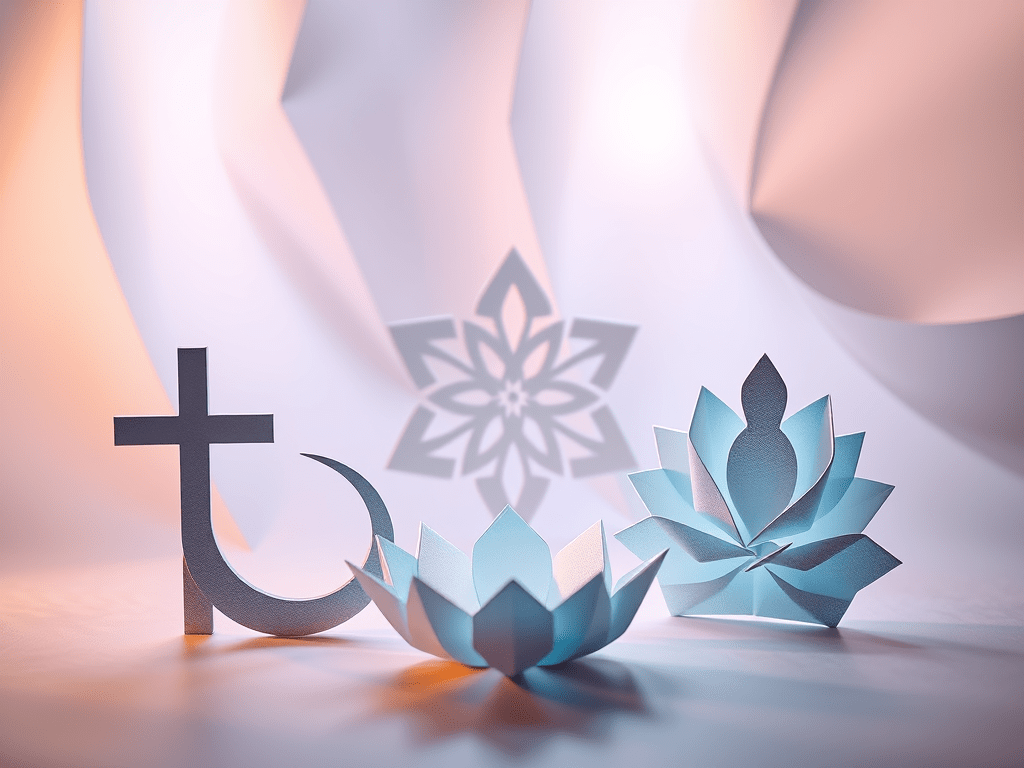
Mysticism is the heart of spirituality—the quest for a direct experience of the divine, a glimpse of the infinite, or a profound connection with the universe. It transcends cultural and doctrinal boundaries, weaving through different religions and philosophies like a golden thread. Though the specifics vary, mysticism universally seeks to uncover the sacred within and around us.

Mysticism in Christianity

Christian mysticism often centers on union with God. Saints like Teresa of Ávila and John of the Cross wrote of contemplative prayer and a transformative journey toward divine love. Their experiences, described as the “Dark Night of the Soul,” illuminate the struggles and ecstasies of spiritual ascent. Christian mystics frequently focus on meditation, fasting, and solitude to cultivate this connection.

Mysticism in Islam

Sufism, the mystical branch of Islam, emphasizes love and direct knowledge of God through the heart. Sufi poets like Rumi and Hafiz wrote lyrical verses about divine union, often symbolizing God as the Beloved. Whirling dervishes perform the Sema ritual, a meditative dance symbolizing the soul’s journey toward divine truth. Through music, poetry, and dhikr (remembrance of God), Sufis aim to transcend the material world and achieve closeness with Allah.

Mysticism in Hinduism

Hindu mysticism is deeply rooted in practices like yoga, meditation, and devotion (bhakti). The Bhagavad Gita and the Upanishads describe spiritual paths to liberation, including the pursuit of self-realization and unity with Brahman, the ultimate reality. Mystics such as Sri Ramakrishna and Paramahansa Yogananda taught that through inner stillness and disciplined practice, one can perceive the divine essence in all things.

Mysticism in Buddhism

Mysticism in Buddhism revolves around enlightenment—awakening to the true nature of reality. Zen Buddhism emphasizes zazen (seated meditation) as a path to insight, while Tibetan Buddhism integrates visualization and mantra chanting to transform consciousness. Mystics like the Dalai Lama embody this tradition, teaching that mindfulness and compassion lead to profound spiritual realization.

Mysticism in Judaism

Jewish mysticism, particularly Kabbalah, seeks to uncover the hidden meanings of the Torah and the universe. The Zohar, a foundational Kabbalistic text, explores the divine emanations (sefirot) and their influence on the world. Practices like meditative prayer, study, and chanting divine names aim to draw closer to the Infinite (Ein Sof), the unknowable source of all creation.

Mysticism in Indigenous Traditions

Many Indigenous spiritualities are inherently mystical, emphasizing the interconnectedness of all life. Vision quests, shamanic journeys, and ceremonies like sweat lodges create sacred spaces for communion with ancestors, spirits, and nature. These practices often include rituals, storytelling, and offerings, celebrating the divine in every aspect of the natural world.

A Universal Journey

Despite their differences, mysticism in every tradition shares a few key themes: the search for unity, the pursuit of transcendence, and the realization of an inner truth. Whether through prayer, meditation, or ritual, mysticism reminds us that the sacred is both beyond and within us.

As I continue exploring mysticism from various cultures, alone and with Yeye, I’m struck by its universality and beauty. It bridges divides, showing us that no matter our beliefs, we all yearn for connection and meaning. Mysticism offers a glimpse of that eternal truth—a reminder that the divine is always just a breath, a thought, or a heartbeat away.

If you are in Kansas City Missouri, and are interested in checking out some of Yeye’s workshops offering insights into mystical practices, please watch our workshop offerings here:

Yeye’s Current Metaphysical In Person Kansas City Workshops

With warmth & curiosity,
Lou

Contact Yeye for a reading, consultation on a party, or to talk about her Psychic AF Mentorship Program

Call or text 912-657-4398

email yeyethemysticdiva@gmail.com

Or Fill out the form here: Contact Yeye
Mysticism Through the Ages – A Journey Across Cultures

Lou, a longtime friend of Yeye, The Mystic Diva, shares insights into the history of mysticism across various cultures, highlighting its role in connecting humanity to the divine and the universe. From ancient Egypt to modern New Age movements, she emphasizes the enduring quest for spiritual understanding and personal growth.

Howdy, Y’all! Lou here—manager and longtime friend of Yeye, The Mystic Diva. As I continue walking this incredible journey with Yeye, I’ve developed a deep curiosity for the mystical traditions and practices that have shaped cultures across the globe. Mysticism is the thread that connects human beings to the mysteries of the universe, bridging the physical and spiritual worlds in countless ways.

Today, I’m excited to share with you some of mysticism’s history as it has evolved across various cultures. From ancient civilizations to modern times, mysticism has played a vital role in humanity’s quest to understand the divine, the unseen, and the unknown.

If you are in Kansas City Missouri, and are interested in checking out some of Yeye’s workshops offering insights into current mystical practices, please watch our workshop offerings here:

Yeye’s Current Metaphysical In Person Kansas City Workshops

1. Ancient Egypt: The Roots of Mysticism

One of the oldest and most profound mystical traditions comes from ancient Egypt. Egyptian mysticism revolved around a deep connection to the gods, the afterlife, and the universe. The mysteries of the pyramids, the hieroglyphs, and the Book of the Dead all point to a culture deeply involved in spiritual practices designed to prepare the soul for its journey beyond death. Egyptian priests, who served as mystics and magicians, conducted rituals to honor gods like Isis, Osiris, and Ra, using their knowledge to bridge the material and divine worlds.

2. The Mysticism of Ancient Greece: Oracles, Gods, and Philosophy

In ancient Greece, mysticism was closely tied to philosophy and religion. The Greeks believed that the gods communicated directly with humans, often through oracles and seers. The Oracle of Delphi, where priestesses channeled messages from the god Apollo, is one of the most famous mystical sites in history. Greek philosophers like Pythagoras and Plato also explored mysticism through their study of metaphysics, the soul, and the nature of reality. Their work has influenced mystical thinking for centuries.

3. Jewish Mysticism: Kabbalah

Jewish mysticism, known as Kabbalah, began to develop around the 12th century in Southern Europe and the Middle East. Kabbalists believed that hidden knowledge about God and the universe could be accessed through deep meditation and study of sacred texts. The Zohar, the foundational text of Kabbalah, offers a mystical interpretation of the Torah, exploring the nature of the divine and the creation of the universe. The Tree of Life, a key symbol in Kabbalah, represents the ten aspects of God’s essence and is still a central figure in Jewish mysticism today.

4. Sufism: The Mystical Path of Islam

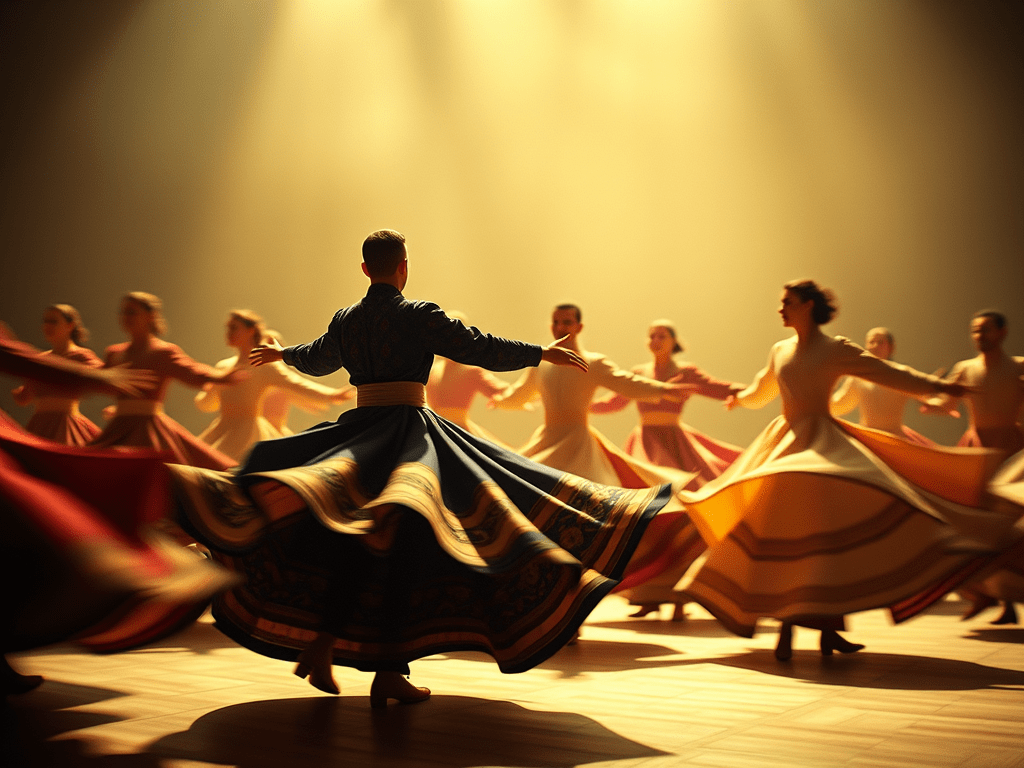
Sufism, the mystical branch of Islam, emerged around the 8th century and has been a powerful force in Islamic spirituality ever since. Sufi mystics seek direct, personal experiences with God through practices like dhikr (remembrance of God), meditation, and poetry. The famous whirling Dervishes of the Mevlevi Order use dance as a form of ecstatic meditation, aiming to unite with the divine. One of the most beloved figures in Sufism is the Persian poet Rumi, whose mystical verses on love and the divine have inspired people for centuries.

5. Hindu Mysticism: The Yoga of Enlightenment

Hinduism is a rich spiritual tradition with a long history of mystical practices, particularly through the practice of yoga and meditation. The Upanishads, ancient texts from India, delve into the mystical nature of reality, the self (Atman), and the ultimate reality (Brahman). Hindu mystics, or yogis, engage in deep spiritual practices to achieve moksha, or liberation from the cycle of birth and death. The mystical traditions of Tantra and Kundalini yoga also explore how individuals can awaken spiritual energy within themselves to achieve higher states of consciousness.

6. Indigenous Mysticism: Shamanism Across Cultures

Shamanism, one of the oldest forms of mysticism, is found in indigenous cultures around the world. From the Arctic Circle to the Americas, Africa, and Siberia, shamans serve as intermediaries between the human and spirit worlds. Through rituals involving drumming, chanting, and altered states of consciousness, shamans communicate with spirits, ancestors, and nature to heal, guide, and protect their communities. Shamanic traditions continue to influence modern mysticism, particularly in the areas of energy healing and spiritual journeying.

7. Christian Mysticism: The Path of Union with God

Christian mysticism has a rich history, particularly in the writings of saints and mystics who sought personal union with God. Figures like St. John of the Cross, St. Teresa of Avila, and Meister Eckhart explored deep mystical experiences, often through prayer, meditation, and visions. Christian mystics believed that through spiritual discipline, one could transcend the material world and enter into a direct relationship with the divine. Their works have greatly influenced Christian contemplative practices that continue to this day.

8. Tibetan Buddhism: Mysticism in the Mountains

Tibetan Buddhism is deeply steeped in mystical practices, particularly through the use of mantras, meditation, and visualization. The Tibetan tradition of Dzogchen is one of the most profound mystical teachings, aiming to reveal the true nature of the mind. Tibetan monks and practitioners use complex rituals and symbols, like mandalas, to connect with higher spiritual realms and accelerate their path to enlightenment. The Dalai Lama, as both a political and spiritual leader, embodies the mystical heart of Tibetan Buddhism.

9. The Mysticism of the Celts: Nature and the Otherworld

The ancient Celts, who lived in parts of Europe before the Roman conquest, practiced a form of mysticism deeply connected to nature and the spirit world. The Druids, their priestly class, were revered for their knowledge of the mystical powers of nature, the stars, and the seasons. Celtic mysticism involved the veneration of sacred groves, rivers, and other natural features, as well as an understanding of the Otherworld, a parallel spiritual realm where gods, ancestors, and spirits reside. Today, neo-pagan and Druidic movements continue to draw on this rich tradition.

10. The Mysticism of the African Diaspora: Vodou, Santería, and HooDoo

The African diaspora gave rise to unique forms of mysticism that blend African spiritual traditions with Catholicism and other influences. Practices like Vodou (Haiti), Santería (Cuba), and HooDoo (in the U.S.) center around honoring ancestors, communicating with spirits, and harnessing spiritual power to affect change in the physical world. These mystical practices were often a means of survival and empowerment for enslaved Africans and their descendants, offering them a way to maintain their spiritual identities in the face of oppression. Today, these traditions remain vibrant, offering spiritual guidance and healing to practitioners around the world.

11. Mysticism in the Modern Era: New Age Movements

In the 20th century, mysticism experienced a revival through the New Age movement, which combined elements from various mystical traditions with a focus on personal spiritual growth. New Age mysticism draws on astrology, Tarot, energy healing, and meditation, and has become popular for its emphasis on universal consciousness, self-awareness, and the power of intention. Today’s modern mystics incorporate both ancient wisdom and new spiritual tools to navigate the complexities of contemporary life.

Mysticism Today: Connecting the Past and Present

Mysticism has been a constant thread in human history, offering people a way to connect with the divine, understand the mysteries of existence, and find meaning beyond the material world. While the forms of mysticism have evolved over time, the core desire to transcend the ordinary and experience the extraordinary remains the same. In today’s world, we see an exciting resurgence of interest in mysticism, with people from all walks of life exploring ancient spiritual practices in new and creative ways.

If you’re interested in learning more or discovering how to incorporate mysticism into your life, reach out to Yeye! Whether it’s through Tarot readings, Ifa Beads, or spiritual coaching, Yeye is here to help you tap into the magic that surrounds us all.

With warmth and curiosity,
Lou

Contact Yeye for a reading, consultation on a party, or to talk about her Psychic AF Mentorship Program

Call or text 912-657-4398

email yeyethemysticdiva@gmail.com

Or Fill out the form here: Contact Yeye
Celebrating Día de los Muertos: Events in Kansas City

Lou, Yeye’s manager, shares the significance of Día de los Muertos, a holiday honoring ancestors through colorful traditions and community events. He emphasizes its roots in Mesoamerican culture and its blend with Catholic customs. Celebrations in Kansas City include festivals, parades, and community altars, promoting remembrance and connection with the past.

Howdy, Y’all! Lou here, Yeye’s manager and longtime friend. With Día de los Muertos just around the corner, I wanted to take a moment to share something near and dear to my heart—celebrating our ancestors during this sacred time.

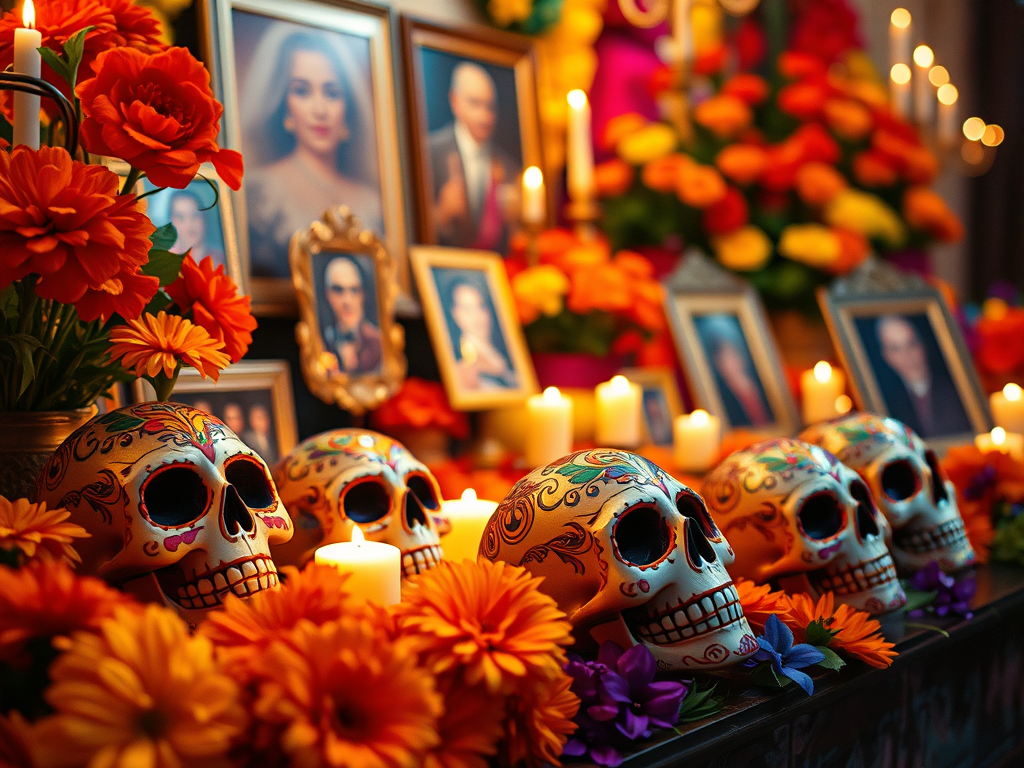
Día de los Muertos, or Day of the Dead, is a beautiful tradition that I look forward to every year. It’s a time to honor those who came before us, remembering their lives with love, gratitude, and celebration. For me, it’s a chance to reflect on my own heritage and connect with the spiritual presence of my ancestors. There’s something deeply moving about creating an ofrenda (altar), filled with offerings like candles, photos, flowers (traditionally marigolds), and my ancestors’ favorite foods. It brings a sense of closeness, knowing that their spirits are with me, watching over and guiding me.

For those unfamiliar, Día de los Muertos has roots in ancient Mesoamerican traditions, particularly from the Aztec civilization, where death wasn’t seen as the end, but a continuation of life. The holiday merged with Catholic traditions after Spanish colonization, creating a blend of Indigenous and European customs that we see today. It’s typically celebrated on November 1st and 2nd, coinciding with All Saints’ Day and All Souls’ Day in the Catholic Church.

While some people mistakenly associate it with Halloween, Día de los Muertos is not about fear or mourning—it’s about celebrating life and remembering our loved ones with joy. The sugar skulls (calaveras), vibrant papel picado, and the iconic skeleton imagery are all symbols that remind us that death is a natural part of life. It’s a time to laugh, eat, and celebrate, knowing that our loved ones are never truly gone—they live on in our memories and hearts.

Now that I’m living in Kansas City, Missouri, I’m excited to explore local events that celebrate Día de los Muertos. If you’re here in KC, there are some fantastic ways to get involved and experience this beautiful tradition:

  1. KCMO Día de los Muertos Festival at the Nelson-Atkins Museum of Art
    This free, family-friendly event on November 1st and 2nd features traditional music, folk art, and the creation of a community altar. Visitors are encouraged to bring mementos to honor their own ancestors.
  2. Mattie Rhodes Art Center’s Día de los Muertos Celebration
    One of the longest-running celebrations in KC, Mattie Rhodes’ annual event includes an outdoor festival with live music, food, and a stunning display of altars created by local artists and community members.
  3. Día de los Muertos Catrina Parade and Block Party
    Held in the Westside neighborhood, this lively parade is full of colorful costumes, traditional face painting, and music that brings the streets alive with the spirit of the holiday.

If you’ve never celebrated Día de los Muertos before, these events are a great way to experience the rich cultural heritage that it represents. It’s a time to reflect on our shared humanity, to honor the past, and to look forward to the future with reverence for those who paved the way for us.

For me, this holiday always brings a deep sense of connection—not just to my own ancestors, but to the larger spirit of community. I can’t wait to celebrate this year and continue honoring my roots while learning more about how this beautiful tradition is expressed around me now that I no longer live in Texas.

Wherever you are, I hope you take a moment to reflect on your own ancestors and celebrate the legacy they’ve left behind.

With warmth, curiosity and remembrance,
Lou

Contact Yeye for a reading, consultation on a party, or to talk about her Psychic AF Mentorship Program

Call or text 912-657-4398

email yeyethemysticdiva@gmail.com

Or Fill out the form here: Contact Yeye